Canada — Residential Construction

Balcony and Deck Construction & Safety

Practical information on building permits, structural inspection, and material selection for outdoor platforms across Canadian provinces.

Deck construction nearing completion on Toronto waterfront

Guides and Reference Material

The articles below cover the main stages of deck and balcony work — from obtaining the correct permit to selecting lumber grades that hold up in Canadian climates.

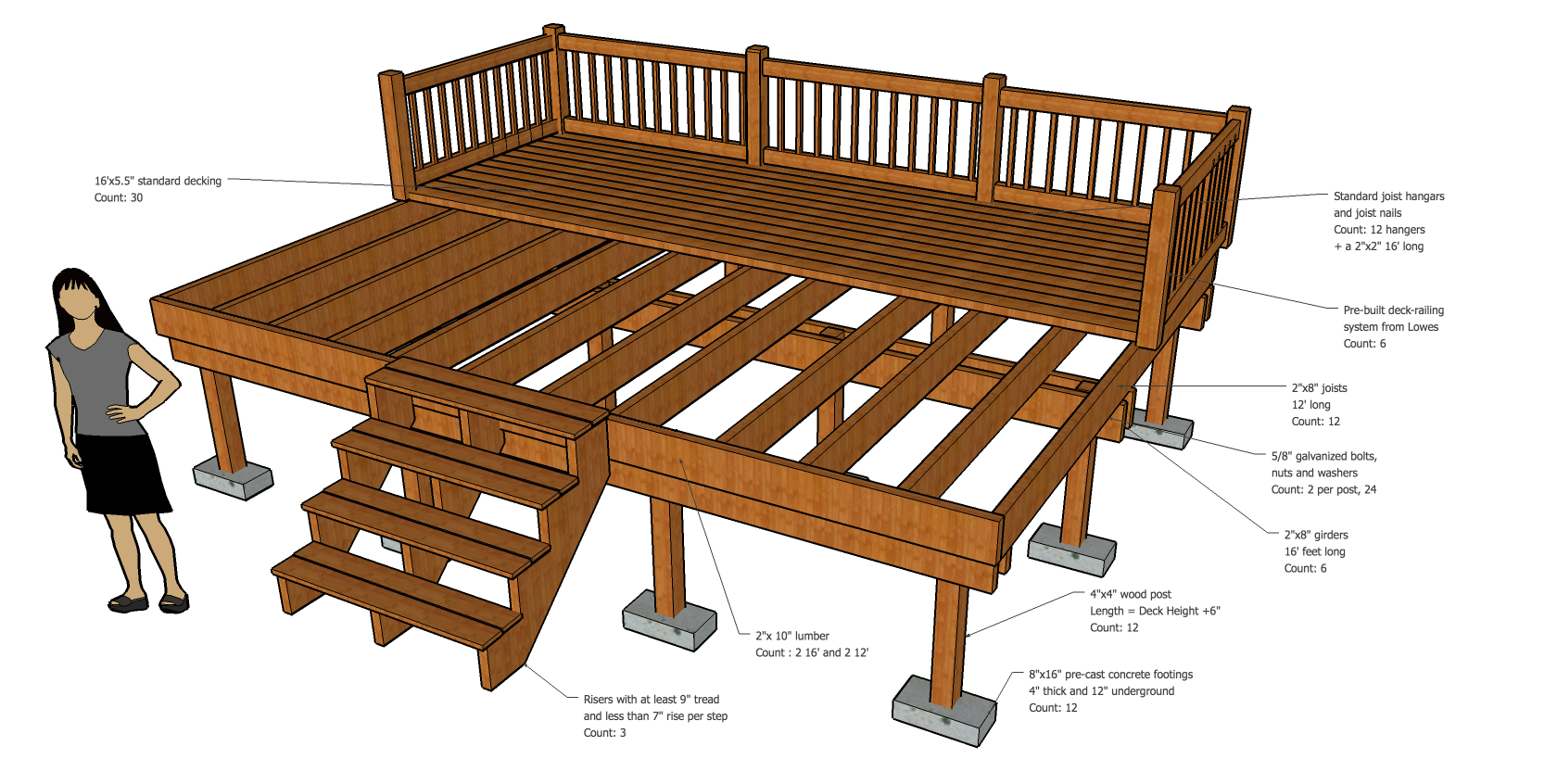
Deck design diagram with structural measurements

Permits & Codes

Deck Building Permits in Canada: What Each Province Requires

Most provinces require a permit for attached decks over a certain area or height. This article walks through the documentation and inspection steps typical across Canadian municipalities.

Read article
Joist hanger connecting a joist to a rim joist on a deck

Inspection

Balcony Inspection Checklist: Structural Points to Review Annually

Balcony failures in Canada have resulted in serious injuries. Annual self-inspection of connection hardware, railings, and ledger boards can identify early-stage deterioration before it becomes a safety issue.

Read article
Upper level paver deck construction

Materials

Pressure-Treated Wood for Decks: Grades, Treatment Levels, and Limitations

Not all pressure-treated lumber is equal. Treatment retention levels differ for above-ground, ground-contact, and freshwater-contact applications. Understanding the difference affects long-term durability.

Read article

What Affects a Deck's Safety

Deck and balcony failures typically trace back to a small number of recurring issues. The points below reflect common findings in Canadian building inspections.

01

Ledger Board Connection

The ledger board attaches the deck frame to the house structure. Inadequate fasteners, missing flashing, or rotted wood behind the board are among the most common causes of deck collapse.

02

Post and Footing Depth

Posts must rest on footings that extend below the local frost line. In parts of Canada, that depth can reach 1.2 to 1.8 metres. Shallow footings heave with freeze-thaw cycles and destabilise the structure.

03

Railing Height and Spacing

The National Building Code of Canada sets minimum railing heights of 900 mm for decks up to 600 mm above grade, and 1,070 mm for those higher. Baluster spacing must not permit a 100 mm sphere to pass through.

04

Wood Moisture and Decay

Horizontal surfaces trap standing water. Without proper drainage slope, end-grain sealing, and adequate fastener corrosion resistance, wood decking typically shows decay within a few years in wet Canadian climates.

05

Snow Load Calculations

Provincial building codes specify ground snow loads by location. Deck structures, particularly flat-roofed balconies above enclosed space, must be engineered to handle accumulated snow without deflection that exceeds code limits.

06

Hardware Corrosion

Modern pressure-treated lumber uses copper-based preservatives that accelerate corrosion of standard steel fasteners. Hot-dipped galvanized or stainless steel hardware is required by many jurisdictions and recommended universally.


Submit a Question or Correction

About This Site

Daily Heights is an informational reference covering balcony and deck construction in Canada. The content draws on publicly available building codes, municipal permit guides, and industry standards.

If you find an error in the published information or have a question about a specific topic, use the form to submit a note. Responses are not guaranteed, but corrections are reviewed and incorporated when confirmed.

For urgent structural safety concerns, contact your municipal building department or a licensed structural engineer.

Please enter your name.
Please enter a valid email address.
Please enter a phone number.
Please enter a message.
Your request has been submitted.