Permits & Codes
Deck Building Permits in Canada: What Each Province Requires
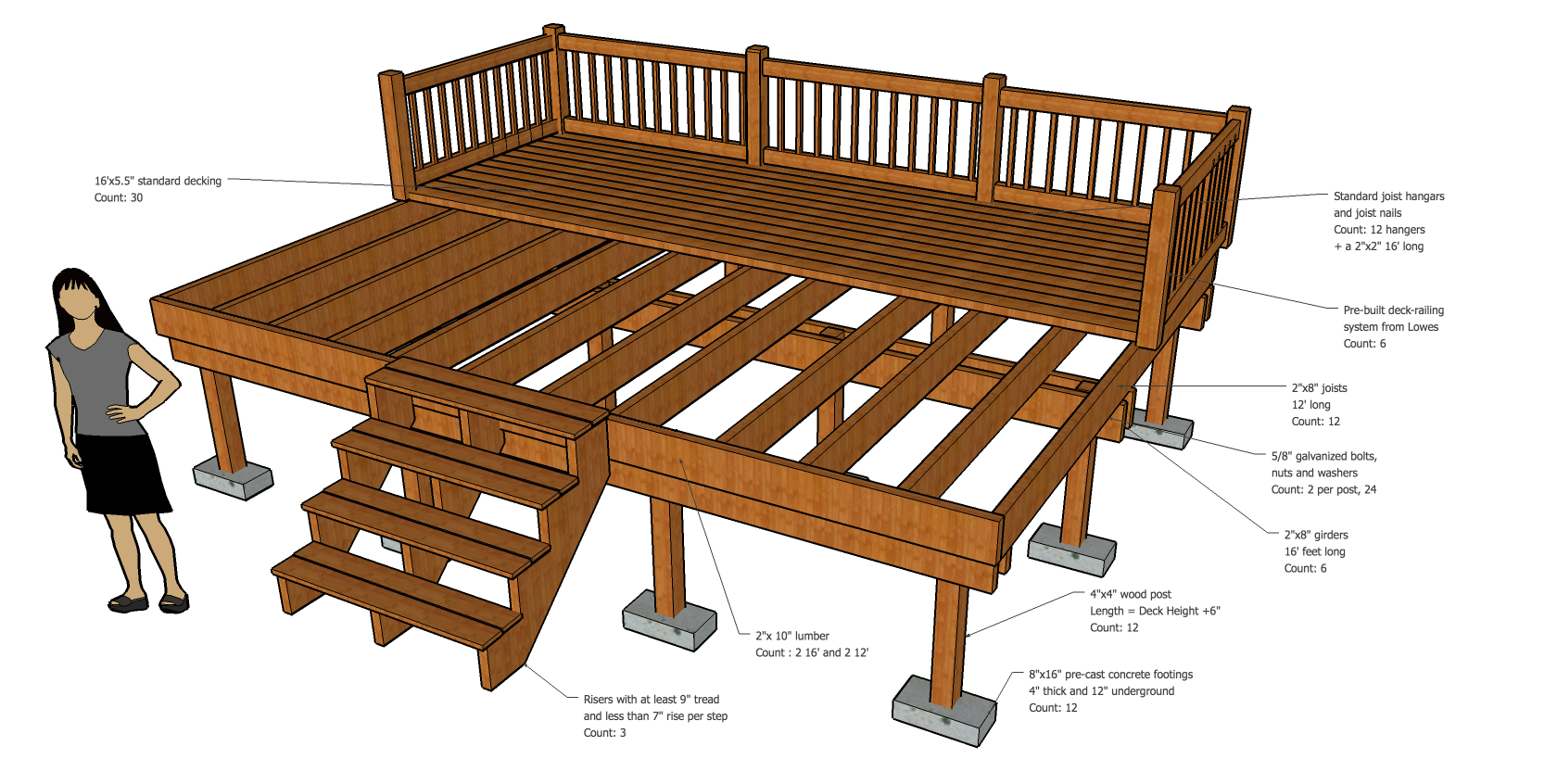
Building a deck in Canada without the required permit can result in a mandatory tear-down order, fines, and complications when selling the property. Whether a permit is required depends primarily on the deck's size, height, and attachment method — and on which municipality the property sits in.
The National Building Code of Canada (NBC) provides the technical baseline, but individual provinces and territories adopt their own versions, and municipalities layer additional requirements on top. The result is a system where permit thresholds and inspection sequences vary considerably from one jurisdiction to another.
When a Permit Is Generally Required
Most Canadian municipalities require a building permit for a deck if one or more of the following conditions applies:
- The deck is attached to the dwelling (a ledger board connects the deck frame to the house).
- The finished surface is more than 600 mm above grade.
- The deck area exceeds a locally defined threshold — commonly 10 square metres, though this varies.
- The deck is part of a new construction project.
Freestanding, ground-level decks below the height threshold may fall under an exemption in some jurisdictions. However, exemptions for detached structures are not universal, and it is worth confirming with the local building department before proceeding without a permit.
Note: Permit exemptions typically apply only to the structural permit. Electrical work, gas connections, or hot tub installations on a deck may require separate permits regardless of the deck's structural permit status.
Typical Permit Application Requirements
While exact requirements differ, most permit applications for a residential deck ask for:
- A site plan showing the deck's location relative to property lines, the house, and existing structures.
- Dimensioned construction drawings — top view (framing plan) and at least one elevation or section view.
- A specification of materials, including lumber species, grade, and treatment level for ground-contact components.
- Footing sizes and depths, with reference to the local frost depth.
- Connection details for the ledger board, post bases, and railing anchors.
Some municipalities provide standard deck detail sheets that, when followed exactly, reduce or eliminate the need for custom engineering drawings. Cities like Toronto and Vancouver publish downloadable deck packages through their building permit portals that specify accepted span tables, fastener schedules, and railing configurations.
The Inspection Process
Inspections are typically staged across the construction process. Common stages include:
Footing Inspection
Before concrete is poured, an inspector confirms that excavations reach the required frost depth and that footing sizes match the approved drawings. This inspection must happen before any concrete is placed — once the footing is poured, depth cannot be verified without excavation.
Framing Inspection
With the deck frame complete but before decking boards are installed, the inspector checks joist sizing, beam spans, post heights, hardware, and — critically — the ledger board attachment to the house rim joist. Improper ledger connections are cited frequently in failure investigations.
Final Inspection
The completed deck is reviewed for railing height, baluster spacing, stair rise-and-run dimensions, and overall conformance with the approved drawings. A passing final inspection closes the permit and generates a record in the municipal property file.

A joist hanger connecting a joist to a rim joist. Hardware of this type is subject to inspection at the framing stage.
Provincial Differences Worth Noting
| Province / Territory | Code Base | Common Exemption Threshold |
|---|---|---|
| Ontario | OBC (based on NBC) | Some municipalities exempt ground-level decks under 10 m² |
| British Columbia | BC Building Code | Decks under 200 mm above grade may be exempt in some municipalities |
| Alberta | ABC (adopts NBC with amendments) | Attached decks generally require permits regardless of size |
| Quebec | CNB-Québec | Permit required for most new outdoor structures |
| Nova Scotia | NBC with provincial amendments | Follows NBC thresholds; municipalities may add requirements |
The above is a simplified summary. Permit requirements change when municipalities update their bylaws. The authoritative source is always the local building department, not a contractor's estimate of what is required.
What Happens Without a Permit
If a deck is discovered without a permit — during a real estate transaction, insurance claim, or routine inspection — the municipality may require an after-the-fact permit (sometimes called an "as-built" permit). This involves a retroactive inspection, which may require opening up parts of the structure to verify hidden connections.
If the structure does not meet code and cannot be brought into compliance through alterations, the order may be to remove it. These situations add cost and delay that typically exceed the original permit fee by a wide margin.